Particularly in areas with long summers or high humidity, air conditioning has become a necessary component of contemporary living and working environments. One technology sticks out among the many cooling options available today because it can effectively and evenly cool huge regions. Because centralized ac provides more consistent temperature control, better aesthetics, and better energy management than isolated units, it is frequently employed in commercial buildings and high-end residential projects.
In this blog, we’ll explore what this system is, how it operates, and the environments where it delivers the best results.
Understanding the Concept
A centralized cooling system is intended to control the temperature of a complete building or a significant portion of it from a single source, in contrast to room-based air conditioners that cool different sections separately. Cooling is generated in one place and then dispersed to several rooms or zones via a system of ducts and vents.
This arrangement keeps interiors clutter-free, removes the need for many indoor units, and provides consistent cooling throughout the house. The system is frequently utilized in areas where efficiency, comfort, and attractiveness are equally vital due to its integrated design.
How the System Works
At the heart of Centralized AC is a central cooling unit that generates chilled air or chilled water, depending on the system type. The process typically follows these steps:
First, the cooling unit uses refrigeration technology to lower the temperature of the water or air. Whereas chilled water is cycled in water-based systems, cooled air is immediately created in air-based systems.
Occupants or facility managers can establish desired temperatures for various zones using thermostats and control panels. Automation functions are common in modern systems, allowing for improved scheduling, control, and energy efficiency.
Finally, warm air from the rooms is drawn back through return ducts to be re-cooled, creating a continuous and efficient cooling cycle.
Key Advantages
Uniform cooling is one of the main benefits of centralized systems. There are very few temperature variations between rooms because the entire area is cooled from a single source.
Aesthetics is another important advantage. Interiors appear cleaner and more polished when there are no large indoor units mounted on the walls. Because of this, centralized systems are particularly desirable for workplaces, hotels, and upscale residences.
When the system is correctly constructed and maintained, energy efficiency is another advantage. High-capacity compressors, zoning, and sophisticated controls can all greatly reduce energy waste in big buildings.
Additionally, centralized cooling systems operate more quietly inside rooms, as most mechanical components are housed away from occupied spaces.
Where It’s Best Used
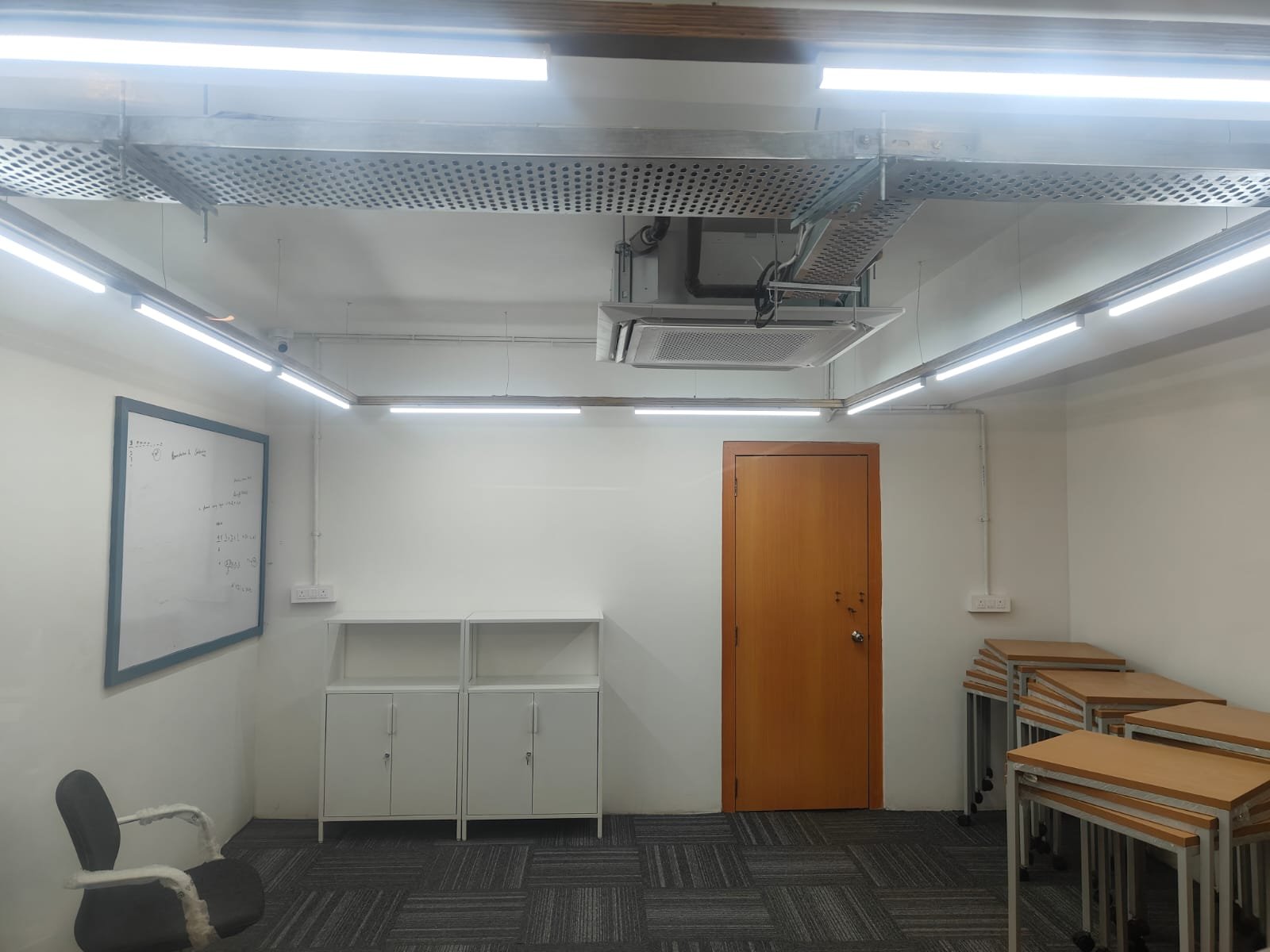
Centralized AC is ideally suited for large commercial and institutional environments where cooling demand is high and spread across multiple rooms or floors.
Office buildings benefit greatly from centralized systems because they provide consistent comfort for employees while allowing facility managers to control cooling efficiently. Zoning features ensure that only occupied areas are cooled, reducing operational costs.
Shopping malls and retail complexes also rely on centralized cooling to manage large open spaces and high foot traffic. Uniform temperature control enhances customer comfort and encourages longer visits.
Hospitals and healthcare facilities use centralized systems because they support better air filtration, humidity control, and hygiene standards—critical factors in medical environments.
Hotels, resorts, and premium residential apartments often choose centralized cooling for guest comfort, quiet operation, and a seamless interior design experience.
Is It Suitable for Homes?
While centralized systems are more common in commercial spaces, they are increasingly being adopted in large villas and high-end apartments. Homes with multiple rooms, open layouts, and high cooling requirements can benefit from this setup, provided there is adequate space for ducting and equipment.
However, for small apartments or individual rooms, standalone AC units may still be more cost-effective due to lower installation and maintenance costs.
Final Thoughts
Choosing the right air conditioning system depends on factors such as space size, usage, budget, and long-term efficiency goals. Centralized AC stands out as a powerful and reliable solution for large-scale cooling needs, offering superior comfort, better control, and a polished look.
When installed correctly and maintained regularly, it can deliver consistent performance for years, making it a smart investment for commercial properties and premium residential projects alike.