Our lives would not be the same without air conditioners, particularly in the hot, muggy summer months. Low refrigerant levels, however, may be one of the main causes of your air conditioner’s inefficient cooling. Refilling your air conditioner’s gas is essential to preserving its cooling capabilities. The AC unit cannot efficiently absorb heat without enough refrigerant, which could cause compressor failure, poor cooling, and increased electricity costs.
In this blog, we will discuss why AC gas refilling is essential, its benefits, signs that indicate your AC needs a refill, and how to ensure proper maintenance.
Understanding AC Gas and Its Role
The essential element that allows your air conditioner to chill interior air is refrigerant gas. It keeps your room cool by absorbing heat from the air within and releasing it outdoors. The refrigerant level may decrease over time as a result of leaks or normal wear and tear, necessitating the replenishment of AC gas. R-22, R-410A, and R-32 are the most widely utilized refrigerants; each has unique characteristics and effects on the environment.
The Importance of AC Gas Refilling
The cooling process is impacted by low refrigerant levels, which increase the AC’s workload and decrease its efficiency. Maintaining optimal cooling performance with routine AC gas refills keeps your house comfortable even during severe weather.
1. Restores Cooling Efficiency
A low refrigerant level affects the cooling process, making the AC work harder and reducing its efficiency. Regular AC gas refilling ensures optimal cooling performance, keeping your home comfortable even in extreme weather conditions.
2. Prevents Compressor Damage
The compressor is the heart of an air conditioning system. If the refrigerant level is too low, the compressor has to work harder to circulate the gas, leading to overheating and potential failure. Timely AC gas refilling helps protect the compressor and extend the lifespan of your AC unit.
3. Reduces Energy Consumption
An AC unit with low refrigerant levels takes longer to cool a room, resulting in higher electricity consumption. With proper AC gas refilling, the system operates efficiently, leading to lower energy bills and reduced carbon footprint.
4. Improves Air Quality
When refrigerant levels are low, the AC may not be able to dehumidify the air effectively, leading to increased humidity and poor indoor air quality. Regular maintenance and gas refilling ensure a comfortable and healthy environment.
Signs That Your AC Needs Gas Refilling
Recognizing the early signs of low refrigerant levels can help you avoid major AC issues. Here are some common indicators:
- Reduced Cooling Efficiency: If your AC is running for extended periods without adequately cooling the room, it may be due to low refrigerant levels.
- Ice Formation on Coils: A lack of sufficient refrigerant can cause ice to form on the evaporator coils, leading to inefficient cooling.
- Hissing or Bubbling Noises: These noises indicate a potential refrigerant leak that requires immediate attention.
- Increased Electricity Bills: If you notice a sudden spike in your electricity bill despite using the AC normally, low gas levels could be the reason.
- Warm Air from Vents: If your AC is blowing warm or less cool air, it’s time to check the refrigerant levels.
The AC Gas Refilling Process
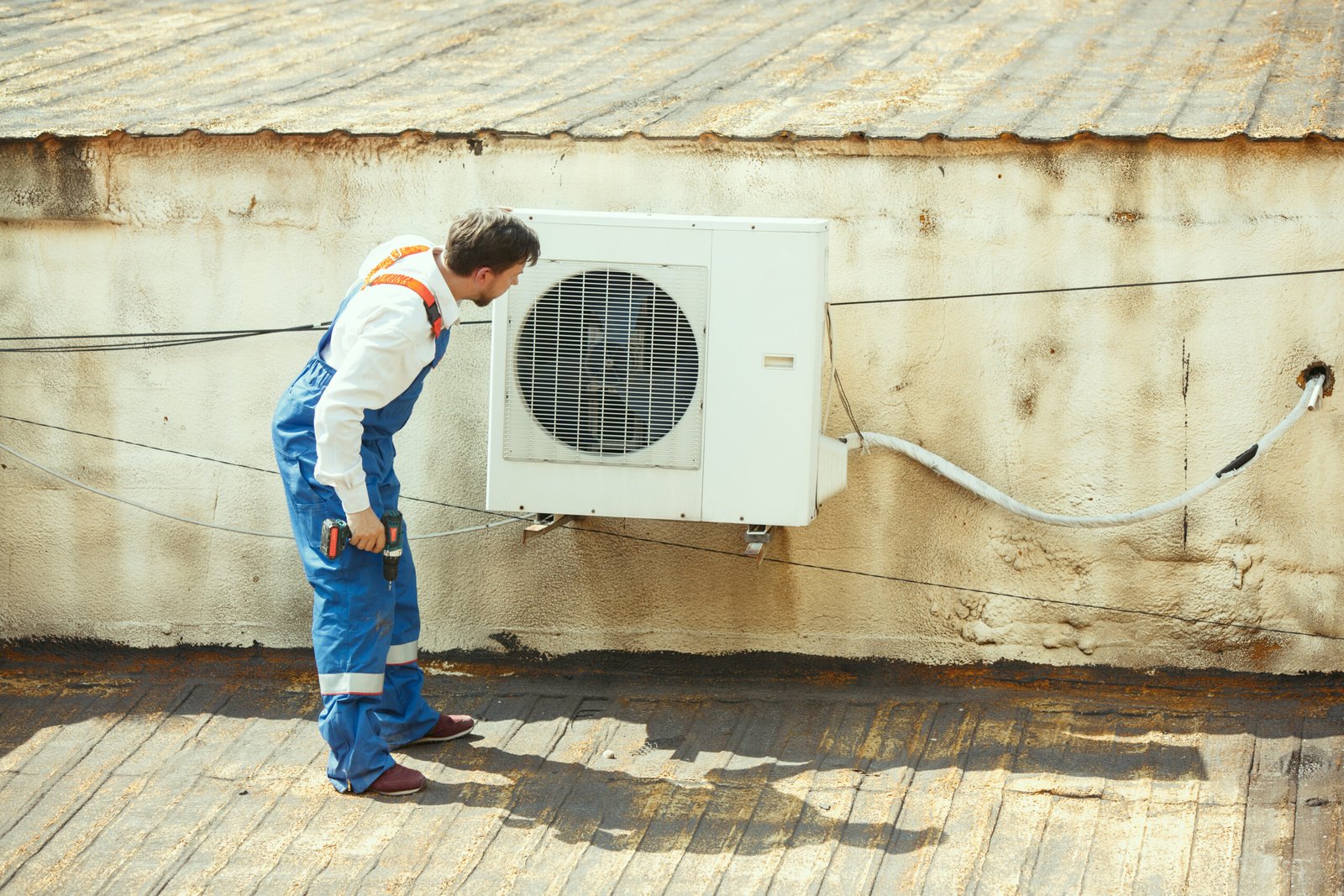
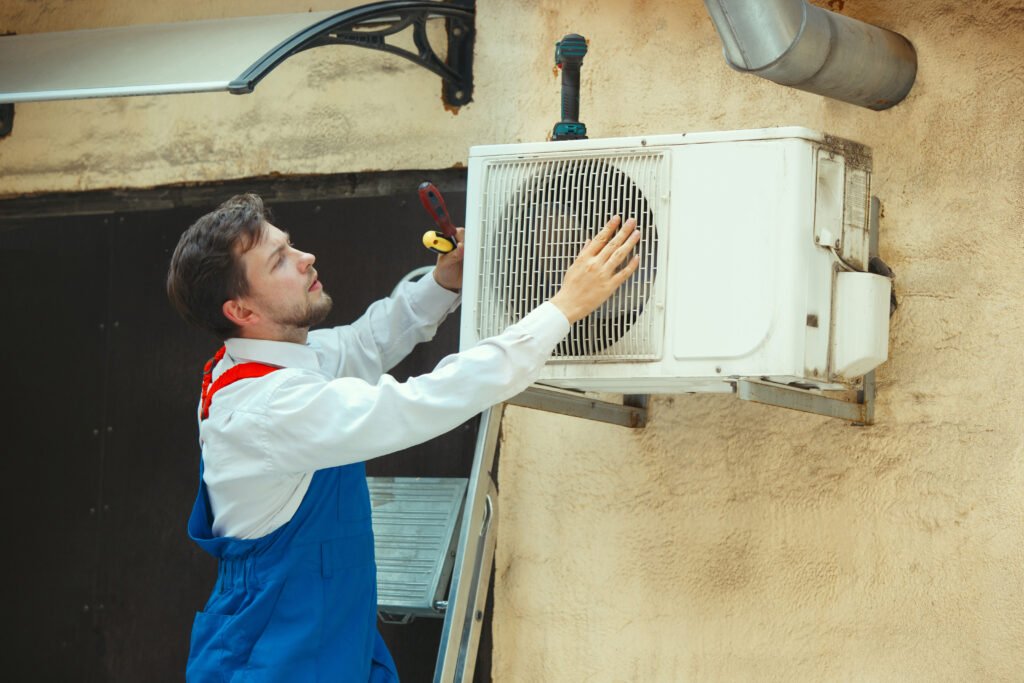
AC gas refilling is a technical process that should be done by a professional technician. Here’s an overview of the steps involved:
- Inspection and Leak Detection: The technician inspects the AC unit for leaks or damages that may have caused the refrigerant loss.
- Evacuating Old Gas: If necessary, the remaining gas is removed to prevent contamination before refilling.
- Vacuuming the System: The AC system is vacuumed to remove moisture and air that may affect performance.
- Refilling the Refrigerant: The correct type and amount of refrigerant are added according to manufacturer specifications.
- Testing and Performance Check: The AC is tested to ensure proper functioning and optimal cooling.
How to Maintain Your AC for Long-Lasting Cooling
Regular maintenance is essential to avoid frequent AC gas refilling. Here are some tips:
- Schedule Annual Servicing: Regular AC servicing helps detect and fix minor issues before they become major problems.
- Clean Air Filters: Dirty filters reduce airflow and cooling efficiency. Clean or replace them every few months.
- Check for Leaks: Ensure there are no refrigerant leaks by inspecting the AC unit periodically.
- Keep the Outdoor Unit Clean: Dust and debris can affect the performance of the condenser unit, so clean it regularly.
- Monitor Cooling Performance: If you notice a decline in cooling, seek professional assistance before the issue worsens.
- Ensure Proper Installation: Poor installation can lead to refrigerant leaks, so always hire a qualified technician.
- Use Energy-Efficient Settings: Optimize your AC settings to maintain a balance between cooling and energy consumption.
Environmental Impact of AC Gas Refilling
Refilling the AC gas is required for effective cooling, however the environmental impact must be taken into account. While more recent substitutes like R-410A and R-32 are more environmentally benign, some refrigerants, including R-22, contribute to ozone depletion. Make sure the technician disposes of old refrigerant appropriately and adheres to ecologically responsible procedures whenever they refill gas.
Environmental damage can also be considerably decreased by using energy-efficient air conditioners that use environmentally friendly refrigerants. Advanced sensor-equipped smart air conditioners can also maximize cooling efficiency and reduce refrigerant leakage.
Conclusion
Refilling the gas in an air conditioner is essential to preserving its longevity and effectiveness. Low refrigerant levels may cause compressor damage, higher electricity costs, and inadequate cooling. You can keep your air conditioner operating properly for many years to come by being aware of the warning signs of low refrigerant, doing routine maintenance, and making sure to replace it on time.
Consider scheduling a professional inspection to find out if your air conditioner needs its gas refilled if it isn’t cooling as it should. In addition to improving cooling, a well-maintained air conditioner also saves energy and makes your house more comfortable.