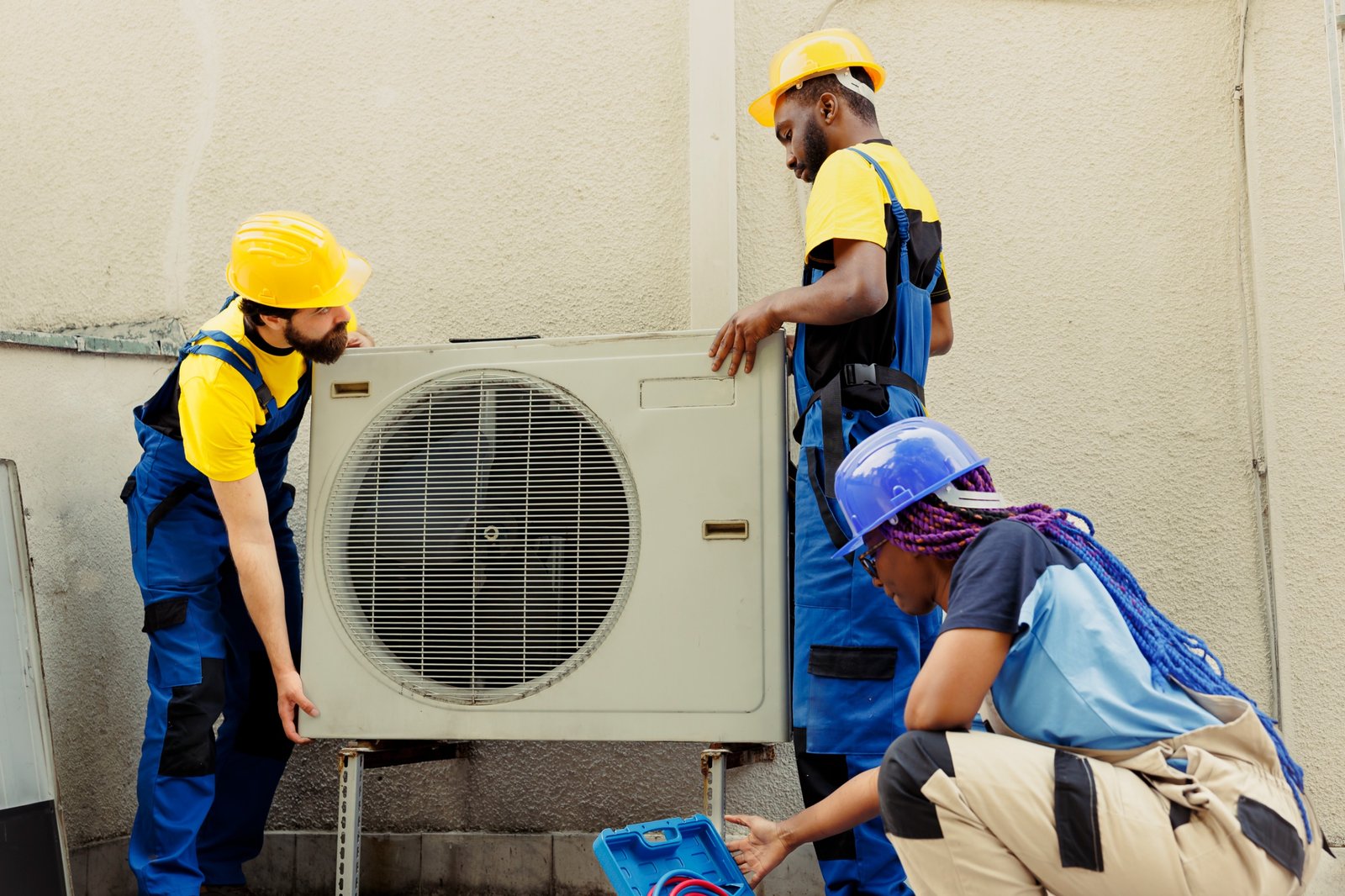
Many homes now require air conditioners, particularly in hot and muggy conditions. Among the various types of air conditioners, split AC cleaning are particularly popular for their energy efficiency and powerful performance. To operate efficiently, they require routine maintenance, just like any other item. Cleaning the split air conditioner is one of the most important but frequently disregarded maintenance tasks.
This blog post will explain how to clean a split air conditioner, why it’s necessary, how frequently to do it, and how to keep it in optimal condition.
Why is Split AC Cleaning Important?
Dust, grime, mold, and other contaminants build up in your air conditioner over time. These present significant health hazards in addition to decreasing system efficiency. Here’s why it’s so important to clean your split air conditioner:
- Better Air Quality: Dust and allergens released into indoor air by dirty filters and coils can cause allergies and respiratory issues.
- Improved Cooling Performance: Your space will cool more quickly and effectively with a clean air conditioner.
- Extended Lifespan: By easing the strain on parts, routine cleaning prolongs the life of your air conditioner.
- Reduced Energy Bills: A clean unit uses less electricity because it doesn’t have to work as hard to chill your room.
- Lower Repair Costs: Preventive maintenance finds minor problems before they become costly fixes.
Tools and Materials You’ll Need
Before you begin cleaning your split AC, acquire the following items:
- Soft cloth or microfiber towels.
- A small brush or toothbrush.
- Mild detergent or AC coil cleaner.
- A vacuum cleaner with a brush attachment.
- Spray bottle.
- Water.
- Fin comb (optional for condenser coil maintenance).
- Protective gloves and goggles.
How to Clean a Split AC: Step-by-Step Guide
Step 1: Turn Off the Power
Prioritize safety! Unplug the air conditioner from the power source and turn it off. By doing this, you can avoid any electrical mishaps while working.
Step 2: Clean the Front Panel
Take off the indoor unit’s front panel. Dust and grime can be removed by wiping it with a moist cloth. Before reinstalling, let it thoroughly dry.
Step 3: Remove and Wash Air Filters
The air filters are normally situated just behind the front panel. Carefully remove them, then wash them with water and a light detergent. After giving them a good rinse, let them air dry in a cool place.
Pro Tip: During periods of high consumption, clean your air conditioner’s filters every two weeks.
Step 4: Clean the Evaporator Coils
One of the most crucial parts of the indoor unit is the evaporator coil. Dust carefully with a soft brush or a brush attachment on your vacuum. Use a coil cleaner or a spray bottle filled with a solution of water and mild detergent for a more thorough clean. Evenly spray the solution, then let it stay for ten to fifteen minutes before wiping or washing gently.
Step 5: Clean the Drain Pan and Pipe
Mold can grow in the drain pan because it gathers condensation. Make sure there is no standing water and use a cloth to clean it. If required, clear the drain pipe with a vacuum or pipe cleaner.
Step 6: Clean the Blower Wheel (Fan)
Although it can be difficult to reach, air circulation depends on this area. The blades can be cleaned with a brush or a vacuum. You may need to partially disassemble the device if it’s extremely unclean; only do this if you feel comfortable doing so or if you have professional assistance.
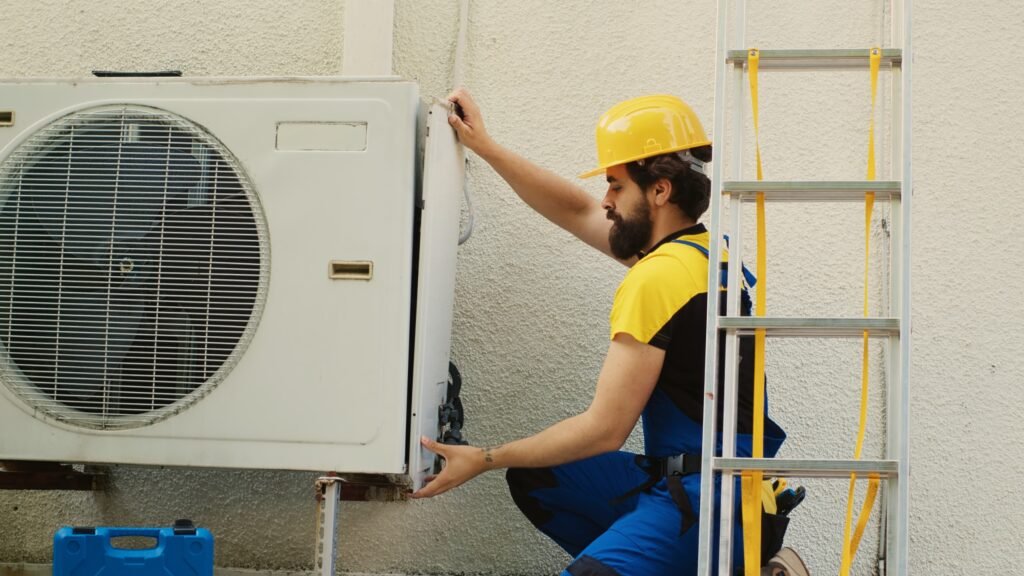
Step 7: Clean the Outdoor Unit
The exterior condenser unit should not be overlooked! Remove debris like leaves and dust using a vacuum or brush. Rinse the condenser coil with water after using a coil cleaner. Take care not to bend the fins; if needed, straighten them with a fin comb.
How Often Should You Clean Your Split AC?
- Air Filters: Every 2–4 weeks
- Indoor Coils and Blower: Every 3–6 months
- Outdoor Unit: Every 6 months
- Professional Deep Cleaning: At least once a year
Signs Your Split AC Needs Cleaning
If you notice any of the following signs, it’s time to clean your unit:
- Decreased cooling performance
- Strange or musty odors
- Increased electricity bills
- Unusual noises
- Water leakage from the indoor unit
Professional vs. DIY AC Cleaning
A professional service is advised for deep cleaning and comprehensive inspections, even though basic maintenance can be completed at home. Here’s a brief analogy:
DIY Cleaning Professional Cleaning
Cost-effective More expensive
Good for basic upkeep In-depth inspection and cleaning
It needs time and effort. It is Done quickly and efficiently
Requires basic tools Uses specialized equipment
Benefits of Regular Split AC Cleaning
- Healthier Environment: Reduces the spread of allergens, dust, and bacteria.
- Energy Savings: Reduces power consumption by as much as 30%.
- Improved Comfort: Continues to provide reliable cooling.
- Reduced Breakdowns: Reduces the possibility of system malfunctions.
- Enhanced Property worth: Your home’s worth is increased by well-maintained appliances.
Tips for Maintaining Your Split AC
- Keep windows and doors closed when the Split AC cleaning is running.
- Avoid placing heat-generating devices near the unit.
- Clean filters regularly to prevent clogging.
- Use a voltage stabilizer if your area has power fluctuations.
- Cover the outdoor unit during the off-season (like winter) to protect it from dust and rain.
Eco-Friendly AC Cleaning Tips
If you’re environmentally conscious, here are a few eco-friendly tips:
- Use biodegradable or homemade cleaners (like vinegar-water mix).
- Dispose of dirty water and waste responsibly.
- Avoid overuse of chemical sprays that release harmful gases.
Conclusion
Standard split AC cleaning is not just about improving performance—it’s about ensuring the health, comfort, and energy efficiency of your home. Establishing a regular maintenance schedule helps keep your air conditioner operating efficiently for many years, regardless of whether you decide to do it yourself or hire professionals.
Don’t wait for problems with your air conditioner to appear. Enjoy the advantages of fresh, cool, and clean air throughout the season by establishing a cleaning routine today!